

Bariatric surgery is a specialized field of metabolic procedures designed to treat chronic excess weight and resolve weight-related medical conditions when conventional methods have proven insufficient. These procedures modify the digestive system to help regulate hunger hormones, control blood sugar levels, and establish lasting caloric restriction. Whether you are exploring surgical intervention or modern non-surgical alternatives, this guide outlines the medical criteria, options, and structured care pathways available through our specialized practice for operations known locally as عمليات التخسيس.
Who Is Bariatric Surgery For?
Bariatric surgery is indicated for individuals diagnosed with clinical obesity (السمنة المفرطة) who have attempted structured lifestyle modifications, dietary protocols, or medical therapy without achieving sustained weight reduction. Eligibility follows standard metabolic surgery criteria:
- For BMI 35 or higher → Surgery is indicated with or without diseases.
- For BMI 30-34.9 → Surgery is indicated if there are obesity related diseases like: diabetes, hypertension, sleep apnea, or fatty liver
Note: If you are considering the surgery, you need to understand that you will be committing to a dietary plan including needed vitamins. Dr Ahmed’s follow-ups make the needed corrections as needed post-surgery.
The Operations I Perform:
| Procedure | How It Works | Typical Candidate | Main Trade-Off |
|---|---|---|---|
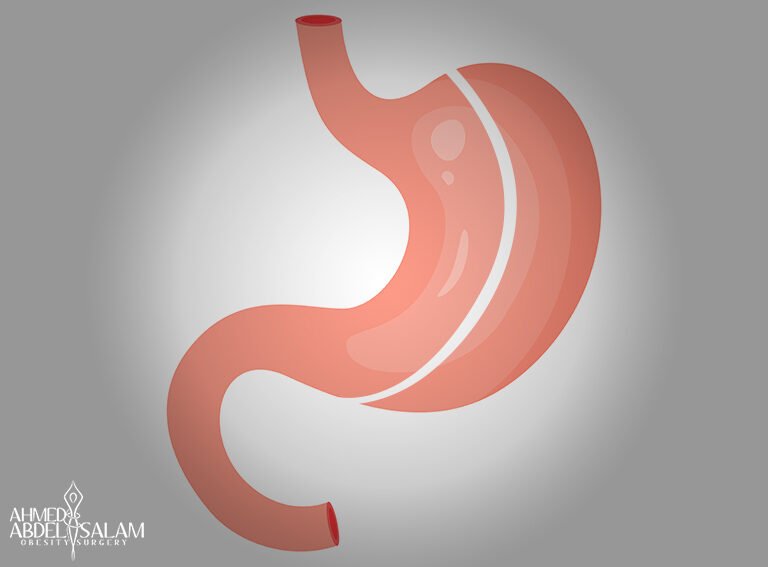
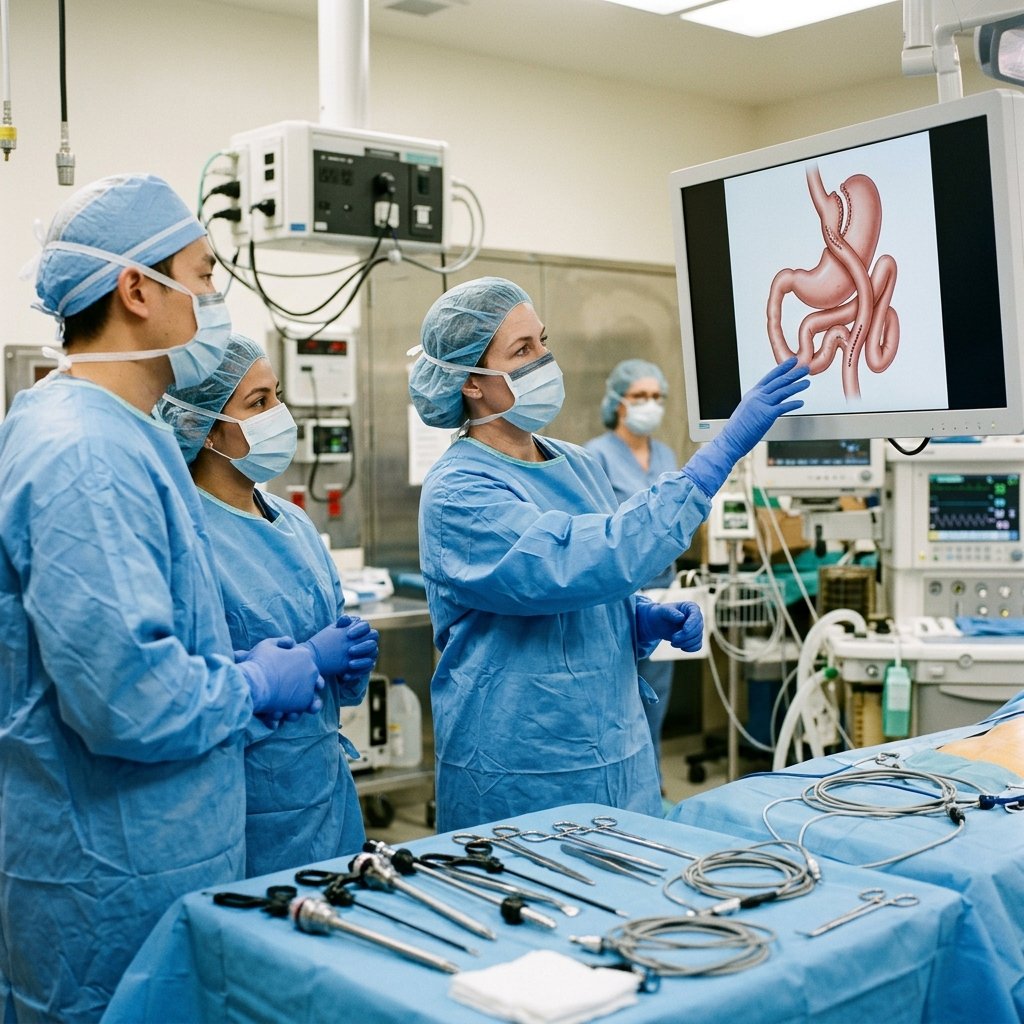
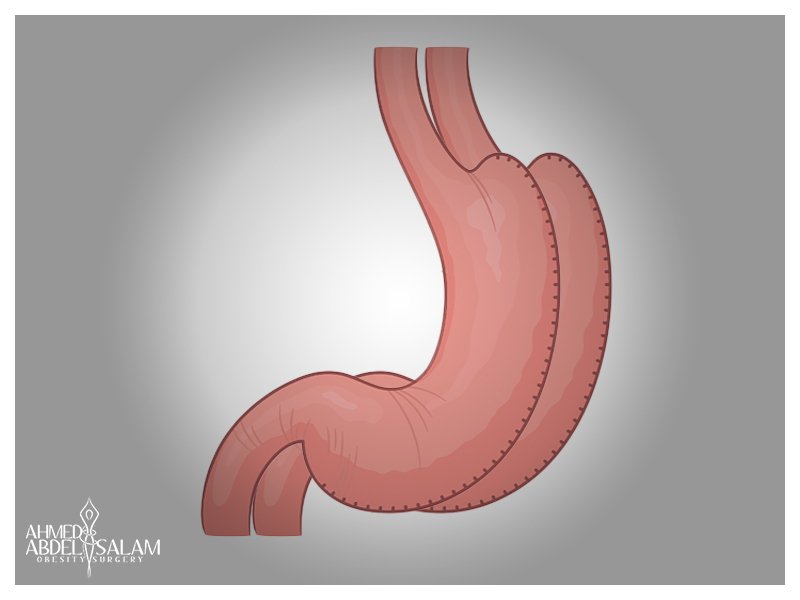
| Gastric Sleeve Surgery (تكميم المعدة) | Resects approximately 75–80% of the stomach vertically, significantly restricting intake volume and reducing ghrelin (hunger hormone) production. | Patients with high BMI, volume-based overeaters, or those who want an anatomically straightforward restrictive intervention without intestinal rerouting. | Irreversible removal of stomach tissue; can trigger or worsen pre-existing gastroesophageal reflux disease (GERD). |
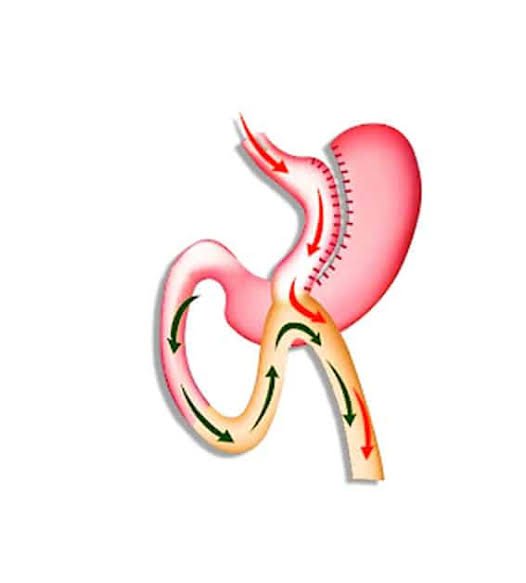
| Roux-en-Y Gastric Bypass (تحويل مسار المعدة التقليدي) | Creates a small gastric pouch and reroutes a section of the small intestine to combines portion restriction with hyperabsorption and hormonal effects that reduce hunger and improve diabetes. | Patients with severe GERD/acid reflux, long-standing poorly controlled type 2 diabetes, or sweet-eating habits. | Requires lifelong adherence to multi-micronutrient supplementation; higher risk of marginal ulcers and dumping syndrome. |
| One-Anastomosis Gastric Bypass / OAGB (تحويل مسار المعدة المصغر) | Forms a long, narrow stomach tube connected to an intestinal loop in a single loop-anastomosis, simplifying the bypass process. | Candidates needing significant metabolic and weight-loss impact with shorter operative duration than standard Roux-en-Y. | Risk of biliary (bile) reflux into the stomach pouch; requires strict lifelong vitamin and mineral monitoring. |
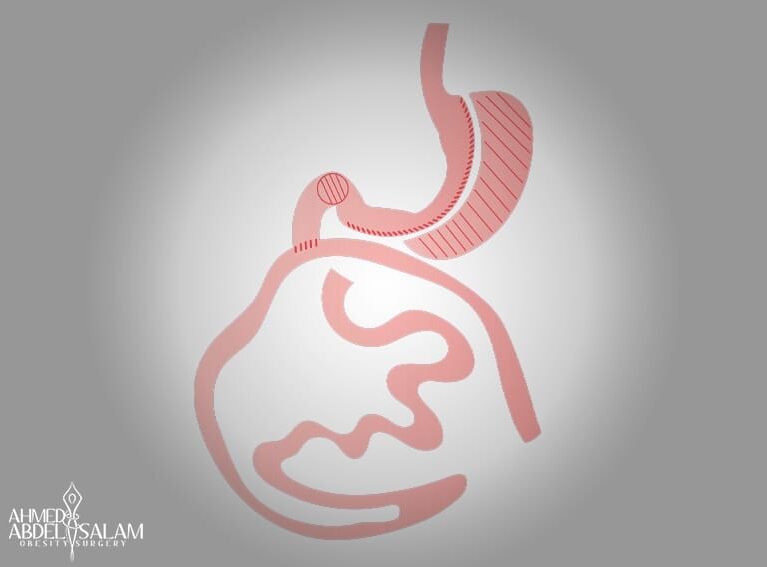
| SADI-S Procedure (الساسي) or تحويل الاثنى عشر بتوصيلة واحدة (التقسيم الثنائي الحديث) | Combines a vertical sleeve gastrectomy with a single-anastomosis loop duodeno-ileal bypass, preserving the pyloric valve. | Patients with super obesity (BMI > 50) or severe metabolic disease needing maximal malabsorptive and hormonal control. | Significant malabsorptive potential requiring meticulous, non-negotiable adherence to high-protein diets and intensive micronutrient supplementation. |
| Revisional Bariatric Surgery (جراحات السمنة التصحيحية) | Reconstructs, repairs, or converts a prior failed bariatric intervention (e.g., converting a failed band or stretched sleeve into a gastric bypass). | Patients experiencing weight regain, intractable acid reflux, or anatomical complications following an earlier primary bariatric procedure. | Technically demanding with higher rates of tissue adhesions and perioperative complications compared to primary surgeries. |
Non-Surgical Options
Our comprehensive practice also provides advanced Non-Surgical Weight Loss alternatives for patients who do not meet surgical criteria, need intermediate medical weight management, or require initial weight reduction prior to surgery:
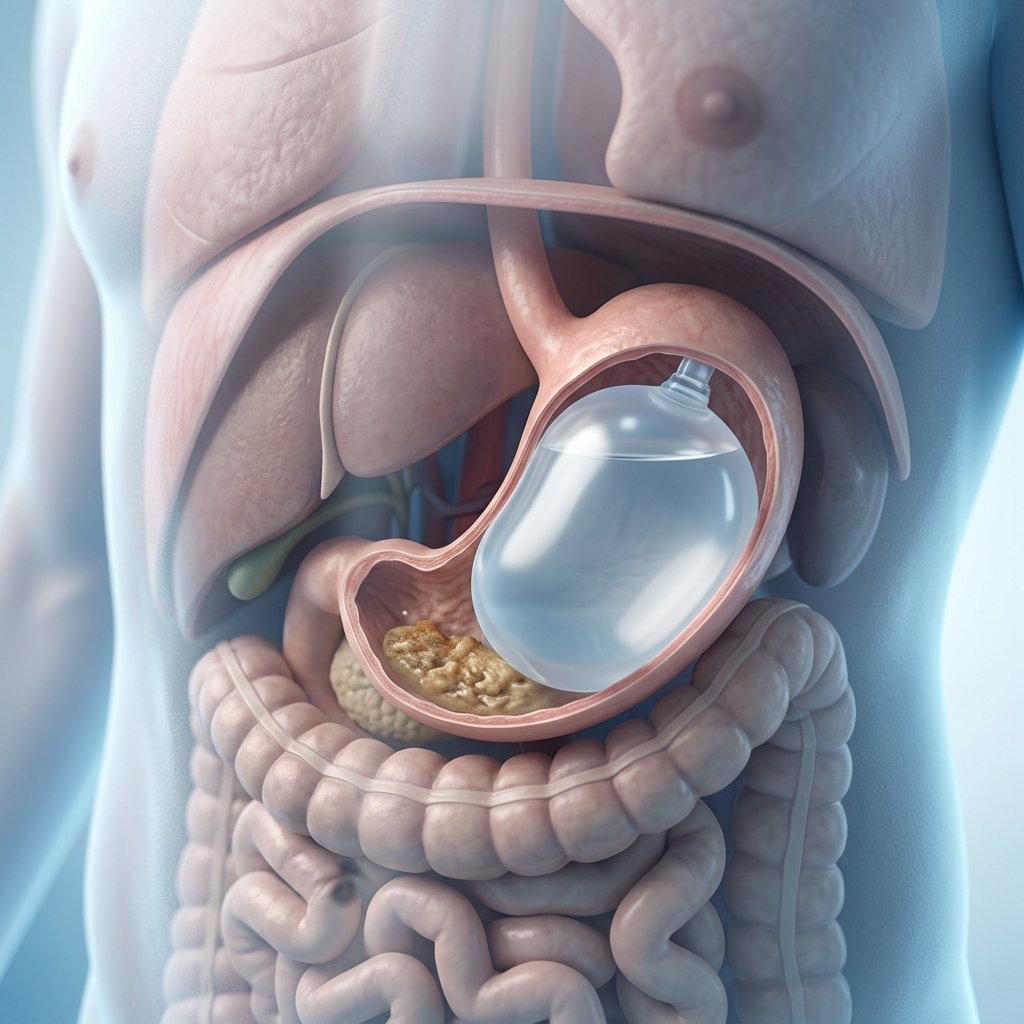
- Intragastric Balloon (بالون المعدة): A soft, saline-filled silicone balloon placed endoscopically under mild sedation to occupy stomach volume and induce early satiety. It is ideal for individuals with a BMI of 27 to 30 and above, or as an initial risk-reduction intervention for high-risk patients preparing for later surgery.
- Swallowable Gastric balloonبالون المعدة القابل للبلع : This intervention has many names including allurion weight loss program, and smart capsule. In Arabic, these are referred to as برنامج ألوريون and الكبسولة الذكية as well. A procedure-free, swallowable capsule that is inflated with fluid in the clinic without endoscopy or anaesthesia, passing naturally after four months. This option suits individuals seeking a short-term, low-intervention metabolic reset to drop 10–15 kg alongside intensive nutritional coaching.
- Medical Weight-Loss Pharmacotherapy (أدوية التخسيس الحديثة): Evidence-based medical therapies, including GLP-1 receptor agonists (Semaglutide/Ozempic and wegovy), dual-action injections like tirzepatide and mounjaro, administered under clinical supervision to regulate appetite and delay gastric emptying. These medications serve as a primary medical alternative for moderate obesity or as targeted adjuvant support to prevent weight regain.


How We Choose the Right Option for You
Selecting the appropriate intervention is an individualized, collaborative medical decision established during your comprehensive consultation. We do not apply a single procedure to all patients; instead, your treatment plan is determined through a structured multidisciplinary evaluation:
- Comprehensive Clinical Diagnostics: We conduct specialized lab panels (including full metabolic profiles, endocrine markers, lipid panels, and nutritional baselines), abdominal ultrasounds, and upper endoscopies or cardiac clearances when indicated.
- Nutritional & Behavioral Assessment: Our specialized bariatric clinical dietitian evaluates your eating patterns, metabolic history, emotional eating triggers, and lifestyle realities.
- Pre-Anesthesia Review: Complete cardiopulmonary and airway screening ensures full physiological readiness for safe anesthesia delivery.
- Shared Decision-Making: We present the procedural options suited to your anatomy, health conditions (such as GERD or diabetes), and daily routine, outlining realistic expectations so the final plan is chosen together.
Your Journey: Before, During, and After
Preoperative Preparation
Prior to your procedure, you will complete a medically supervised pre-op liver-reduction protocol designed to reduce visceral fat and intra-abdominal liver volume, ensuring maximum surgical safety. You will receive detailed breathing guidelines, preoperative hydration protocols, and personalized medication adjustments according to our modern clinical pathways.
The Day of Surgery & Hospital Stay
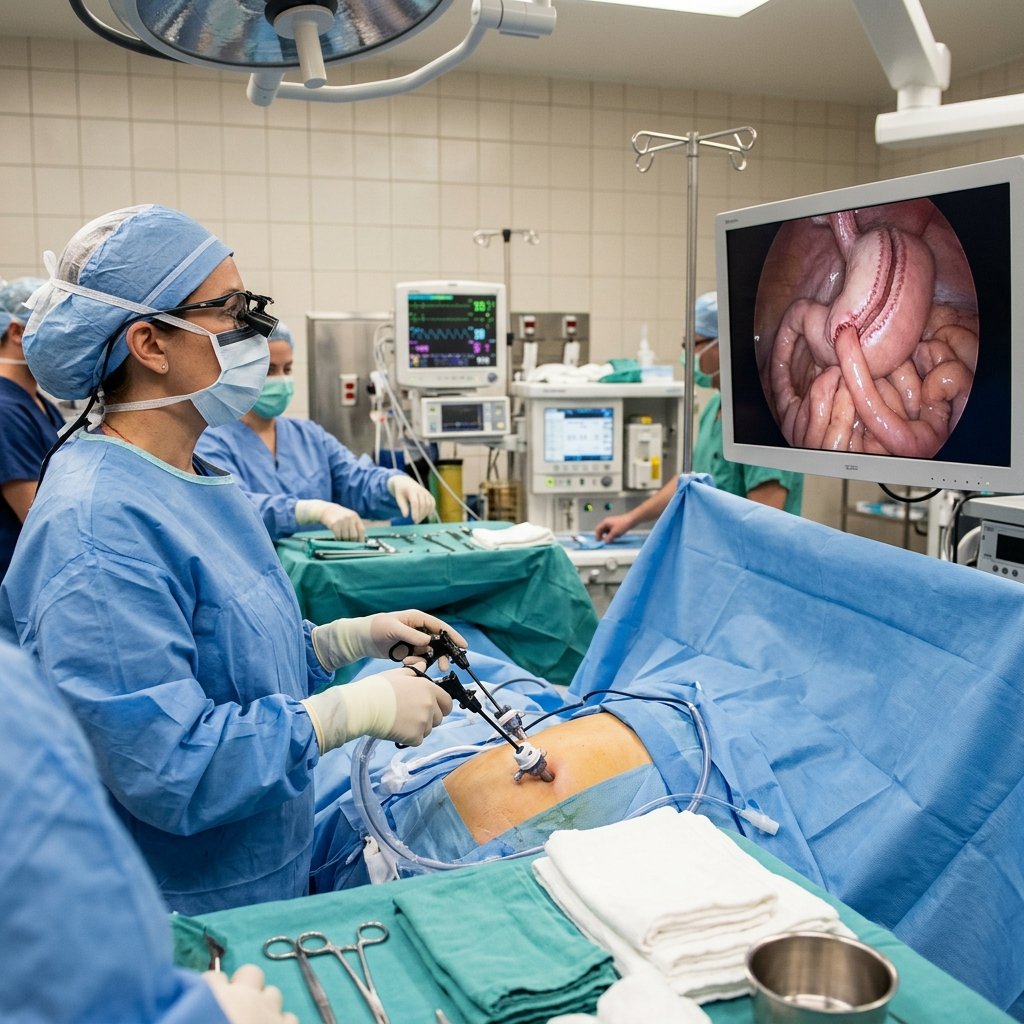
Procedures are performed minimally invasively using advanced laparoscopic techniques within fully equipped, accredited tertiary hospitals in Cairo. Utilizing our standardized Fast Track Recovery Protocol, anesthesia is tailored for rapid emergence without lingering grogginess, and patients are mobilized out of bed within 2 to 4 hours post-surgery to encourage circulation and reduce thrombosis risk. The average inpatient stay ranges from 24 to 48 hours.
Postoperative Life & Follow-Up
Recovery is rapid, with most patients returning to desk-based work and light non-strenuous daily activities within 7 to 10 days. Long-term success is anchored by our structured follow-up schedule: scheduled reviews take place at 1 week, 1 month, 3 months, 6 months, and annually thereafter, supported by periodic blood panels and ongoing nutritional and body composition assessments.
Advanced Robotic Surgery Option
For complex anatomical scenarios, our center integrates high-precision robotic platforms. The robotic-assisted approach is deployed strictly for Revisional Bariatric Surgery and the SADI-S Procedure, where enhanced 3D visualization, tremor filtration, and articulated wristed instrumentation provide essential precision during dense scar tissue dissection and duodeno-ileal anastomosis.
(Note: Standard primary sleeve gastrectomies, classic Roux-en-Y bypasses, and OAGB procedures are performed via advanced high-definition laparoscopy.)
Safety and Clinical Risks
Bariatric and metabolic surgery is performed today with safety profiles comparable to routine procedures such as gallbladder removal or hip replacements. However, as major abdominal operations, they carry potential risks that require proactive management.
Short-term perioperative complications can include adverse reactions to anesthesia, internal bleeding, deep vein thrombosis (DVT), pulmonary embolism, or staple-line/anastomotic leaks. Long-term considerations include nutritional deficiencies, dumping syndrome, internal gernia, bowel obstruction after bypass, marginal ulcer, bile reflux (after mini bypass), gallstone formation, and gastroesophageal reflux, and weight regain. Detailed procedural risks, prevention safeguards, and management protocols are outlined in the dedicated safety sections of our procedure pages:
- Gastric Sleeve Complications & Risk Management
- Gastric Bypass Safety Protocols
- SADI-S & Malabsorptive Monitoring
- Revisional Surgery Perioperative Precautions
Proven Results and Patient Stories
Our clinical focus extends beyond immediate weight loss to the sustained resolution of life-limiting metabolic conditions, including the long-term remission of type 2 diabetes, normalization of blood pressure, and improvement of sleep apnea.
To explore real clinical journeys, long-term metric outcomes, and candid video accounts detailing life transformations before and after bariatric interventions, visit our Patient Success Stories page.
Frequently Asked Questions
هل عملية التكميم خطيرة؟ (Is gastric sleeve surgery dangerous?)
Modern sleeve gastrectomy has an established safety profile as safe as cholecystectomy, making it as safe as common laparoscopic operations like cholecystectomy (gallbladder removal). Utilizing advanced stapling technologies, standardized leak tests, and standardized Fast Track protocols, perioperative risk is minimized. In clinical terms, the health risks of living with unmanaged severe obesity generally far outweigh the procedural risks of the operation.
Which bariatric operation is best for me?
There is no single “best” operation. The choice depends on your specific health profile: patients with severe acid reflux (GERD) or long-standing diabetes generally achieve superior outcomes with a gastric bypass, whereas volume-dominant eaters with healthy esophageal function often opt for a sleeve. A detailed clinical and diagnostic evaluation determines the ideal approach.
How soon can I return to work and daily life?
Patients managed under our Fast Track protocol typically walk comfortably hours after surgery. Most individuals working desk-based or administrative jobs return to work within 7 to 10 days. Strenuous manual labor, heavy resistance lifting, and intense abdominal workouts should be paused for 4 to 6 weeks.
How much does bariatric surgery cost in Cairo?
Pricing depends on the procedure type, whether laparoscopic or robotic methods are utilized, specific operating room technologies, and the private hospital category selected; for an itemized overview of what is included, see our Bariatric Surgery Cost Guide.
Will I regain weight after the surgery?
Bariatric surgery serves as a powerful metabolic tool, but it is not a standalone cure. Long-term weight maintenance requires sustained adherence to healthy dietary patterns, regular physical activity, and attending your scheduled annual follow-up appointments to address dietary drift or hormonal plateaus early.
Will I need to take vitamins for the rest of my life?
Sleeve, as well as bypass procedures mandate the use of lifetime supplements (vitamins, calcium, vitamin D and B12) since they both affect intestinal absorption. In addition, both Bypass and SADI-S cases need closer monitoring after the procedures.
About Dr. Ahmed Abdelsalam
Dr. Ahmed Abdelsalam is a Consultant Bariatric and Advanced Laparoscopic Surgeon practicing in Cairo, Egypt. Specializing in primary metabolic procedures, complex revisional surgeries, and modern non-surgical interventions, Dr. Abdelsalam delivers personalized, evidence-driven surgical solutions focused on patient safety and lasting metabolic health.
When patients search for the best bariatric surgeon in Egypt (افضل دكتور سمنة في مصر), the true answer lies not in unsubstantiated claims, but in verified surgical outcomes, strict adherence to international safety guidelines, multidisciplinary perioperative care, and transparent patient communication:
- Surgical Fellowship & Accreditations: Fellow of the Royal College of Surgeons; Member of the International Federation for the Surgery of Obesity and Metabolic Disorders (IFSO); Egyptian Society for Bariatric Surgery (ESBS).
- Clinical Expertise: Extensive experience performing sleeve gastrectomies and gastric bypasses, advanced SADI-S reconstructions, and complex revisional procedures.
- Practice Locations: Consultations, pre-op planning, and follow-up care take place across fully equipped clinical centers in:
- Mohandessin Clinic: Central consultation suite.
- Sheikh Zayed Clinic: West Cairo practice location.
- New Cairo Clinic: East Cairo practice location.
- Hospital Affiliations: Inpatient surgical operations are conducted exclusively in top-tier, internationally accredited private hospital centers across Cairo, ensuring advanced intensive care support, specialized surgical suites, and dedicated bariatric ward facilities.
Book Your Consultation
Take the first step toward lasting metabolic health and weight resolution with an evidence-based, patient-centered consultation.
- Mohandessin | Sheikh Zayed | New Cairo
- Call / WhatsApp Booking: +201000606733 · WhatsApp
Medically reviewed by Dr. Ahmed Abdelsalam on October 17, 2026.