

Obesity is a long-term medical condition, not a lack of willpower. Modern weight-loss medicines (أدوية علاج السمنة) act on the hormones that control hunger and fullness, so you can eat less without feeling hungry all the time. Dr. Ahmed prescribes them as part of a full plan with regular follow-up. They can be used on their own, or before or after weight-loss surgery.

Who are they for?
Weight-loss medicines may be right for you if you are an adult and one of the following applies:
- Your body mass index (BMI) is 30 or more.
- Your BMI is 27 or more, and you have a weight-related health problem, such as type 2 diabetes, high blood pressure, high cholesterol, sleep apnea, wear and tear of the joints (osteoarthritis), or fatty liver.
They can also help if you are not ready for surgery, need to lose weight before an operation, or regain weight after one. They are not suitable during pregnancy or breastfeeding, or for people with a personal or family history of a rare thyroid cancer called medullary thyroid cancer. We review your history carefully first.
How does the treatment work?
- GLP-1 medicines, such as semaglutide: These copy a natural gut hormone. They slow down how fast your stomach empties and tell your brain you are full. They are given as a small weekly injection under the skin, with a pen and a very fine needle.
- Dual-action medicines, such as tirzepatide: These act on two gut hormones (GIP and GLP-1) and usually give a stronger effect. They are also given once a week.
- We start with a low dose and raise it slowly, usually every four weeks. This gives your body time to adjust and reduces side effects.
- The medicine works best together with a nutrition and activity plan from our team.
Before you start
- A consultation to review your health, your weight history, and your goals.
- Blood tests, such as blood sugar, kidney, and liver tests.
- A clear talk about the expected results, side effects, cost, and how long you may need the treatment.
Follow-up
- Weekly clinic visits for your injection, so we can check your progress and adjust the dose. Your nutrition plan is reviewed every 2 to 4 weeks.
- Eat small meals, include protein every time, and drink enough water.
- Strength exercises protect your muscles while you lose fat.
- When the time comes to reduce or stop the medicine, we plan it together, because weight often comes back after stopping.
What results can I expect?
At most, semaglutide can give a weight loss of around 15% of total body weight over 68 weeks, as shown in the STEP 1 trial, and tirzepatide around 20% of total body weight over 72 weeks, as shown in the SURMOUNT-1 trial. Results differ from person to person. For someone weighing 100 kg, a 15% loss means about 15 kg. Weight regain after stopping the medicine is quite high, so we plan any change in treatment together.
Who May Benefit from Anti-Obesity Medications?
- Body mass index (BMI) of 30 or more
- BMI of 27 or more with a weight-related condition
- Patients preparing for bariatric surgery
- Weight regain after bariatric surgery
What are the side effects and risks?
- Nausea, vomiting, diarrhea, or constipation, mostly in the first weeks and when the dose goes up.
- Heartburn, bloating, or a feeling of fullness.
- Rarely, inflammation of the pancreas or gallstones. Severe tummy pain needs urgent medical care.
- Low blood sugar, if combined with some diabetes medicines. We adjust your diabetes treatment to prevent this.
- Muscle loss if you eat too little protein.
- Weight regain after stopping the medicine, which is quite common.
Frequently asked questions
Are weight-loss injections safe?
For suitable patients under medical supervision, yes. Most side effects are mild and happen in the first weeks.
Will I need them for life?
Not always, but obesity is a long-term condition, and weight regain after stopping the medicine is quite high. We plan the length of treatment and the next steps together.
Can I use them after bariatric surgery?
Yes. If some weight comes back after surgery, these medicines can help you get back on track.
Should I choose medicines or surgery?
For a high BMI, surgery usually gives bigger and longer-lasting weight loss. Medicines suit a lower BMI or work as support before or after surgery. We decide together.
Can I buy them without a prescription?
Please do not. The right dose and regular checks keep you safe, and fake products are sold online.
I am having an operation. Should I stop the injections?
Yes, tell your surgeon and anesthesia doctor. These medicines slow stomach emptying, so you may need to stop them for a short time before any operation or endoscopy.
Why Choose Our Anti-Obesity Medication Program?
- Full medical assessment before treatment
- Medication chosen for each patient
- Gradual dose plan to reduce side effects
- Regular monitoring and follow-up
- A clear plan for maintaining results
Related procedures
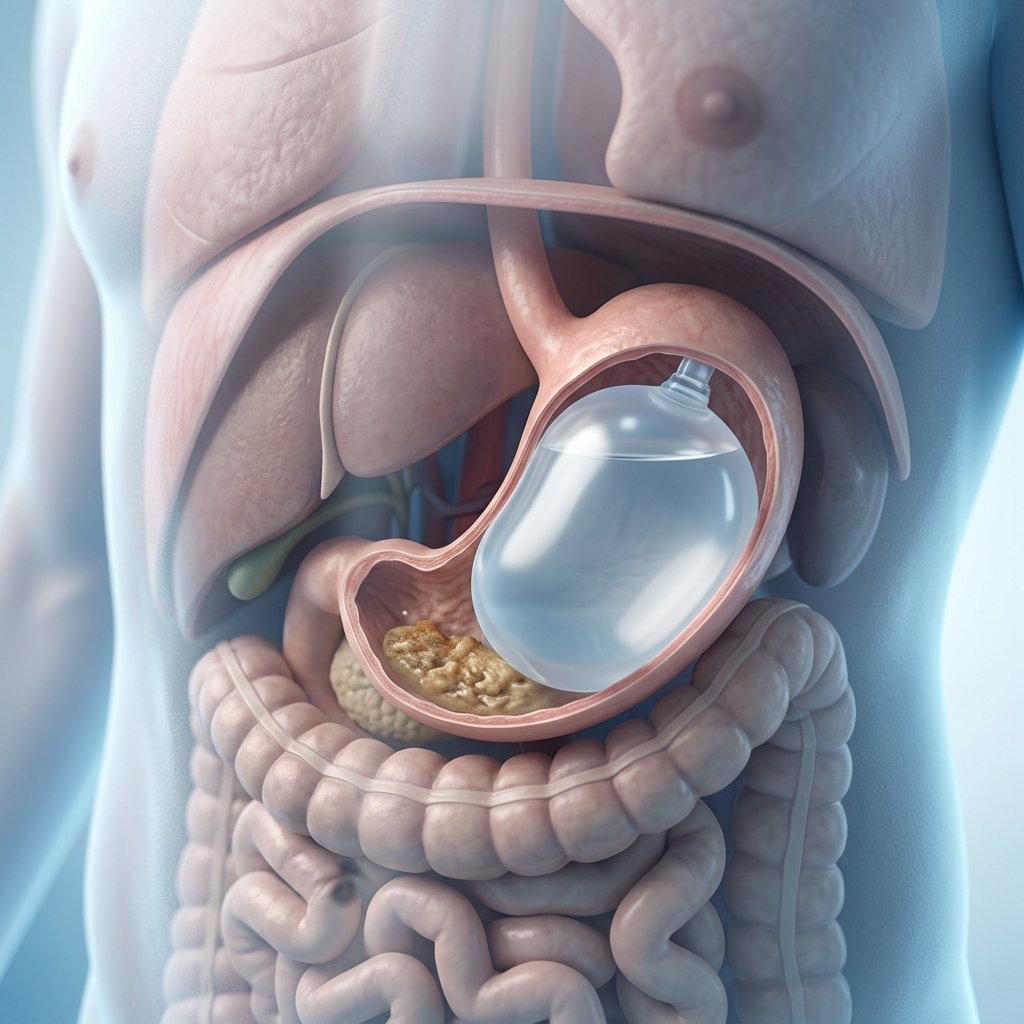
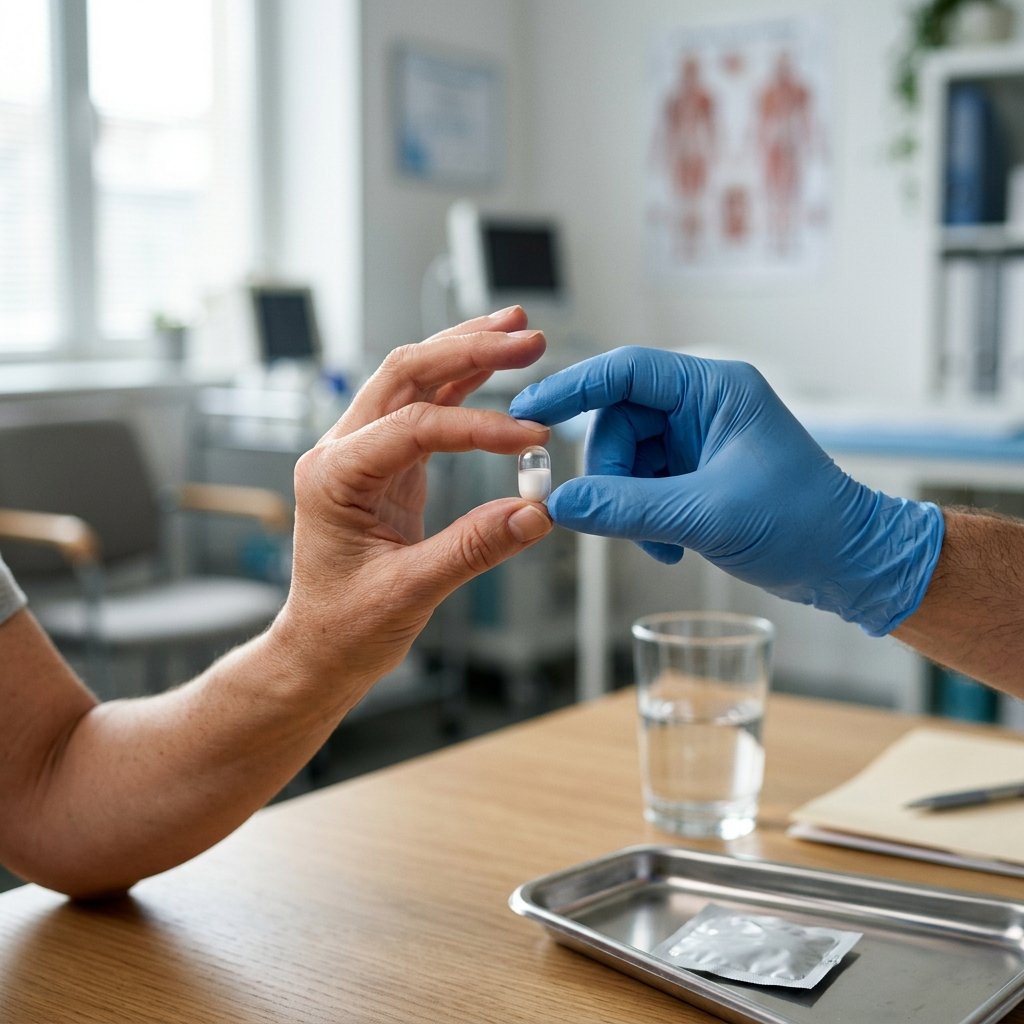
See all in: Non-Surgical Weight Loss
Book your consultation
Call or WhatsApp +201000606733 · WhatsApp to book. Our clinics are open from 5 to 9 pm: Mohandessin on Sunday and Tuesday, New Cairo on Monday, and Sheikh Zayed on Wednesday. Video consultations are available if you live far away or abroad.
Medically reviewed by Dr. Ahmed Abdelsalam, Associate Professor of General and Laparoscopic Surgery, Kasr Al Ainy, Cairo University.