

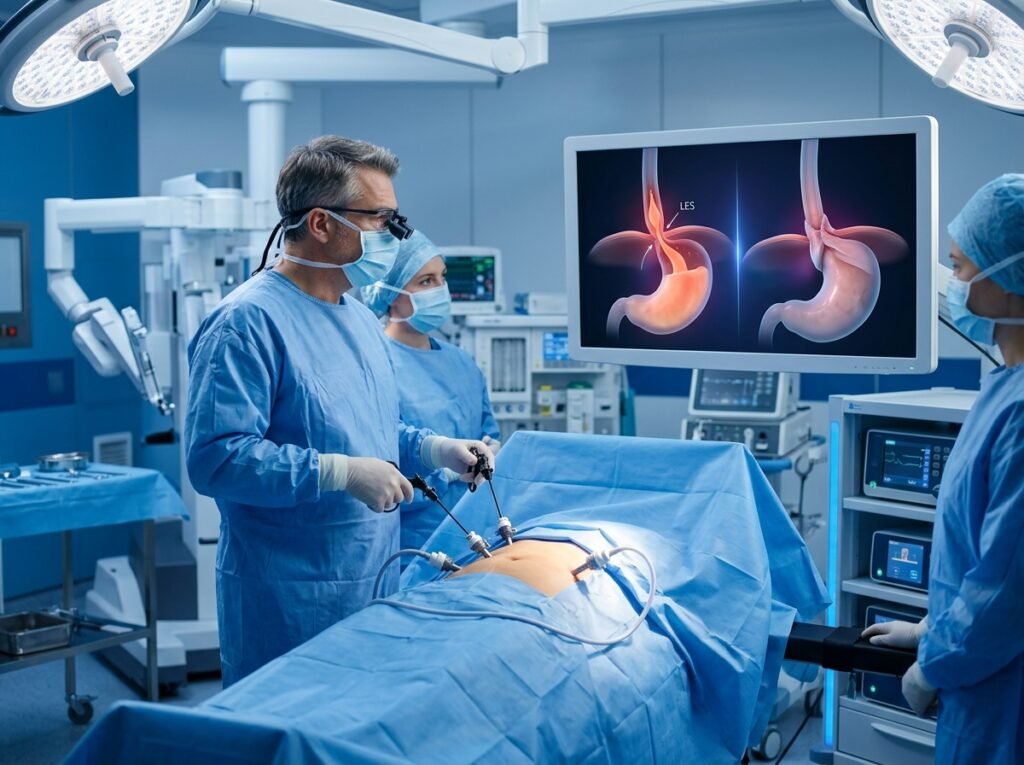
Anti-reflux surgery (عملية علاج ارتجاع المريء), performed primarily as laparoscopic Nissen or Toupet fundoplication, is a minimally invasive surgical procedure that restores the natural physical barrier between the stomach and esophagus to stop stomach acid and bile from regurgitating upward. But does it offer a definitive cure—هل توفر الجراحة فرصة من أجل علاج ارتجاع المريء نهائيا؟ By reconstructing the physiological lower esophageal sphincter valve—and repairing any associated anatomical defect in the diaphragm—fundoplication addresses the mechanical root cause of severe gastroesophageal reflux disease (GERD) for patients seeking long-term relief from chronic burning, regurgitation, and throat irritation.
Who Is It For?
For many patients, finding the best treatment for acid reflux (افضل علاج لارتجاع المرئ) begins with proton pump inhibitors (PPIs) and lifestyle changes. However, when medication fails to control symptoms, causes unacceptable long-term side effects, or when patients do not wish to remain dependent on daily medications for life, anti-reflux surgery becomes the definitive consideration.
Key Indications
- Incomplete Symptom Relief on Maximum Medical Therapy: Persistent regurgitation, volume reflux, chronic coughing, nocturnal choking, or progressive hoarseness that medications cannot control.
- Medication Intolerance or Patient Preference: Adverse reactions to long-term PPIs (e.g., bone density loss, micronutrient malabsorption) or a desire to avoid lifelong pharmaceuticals.
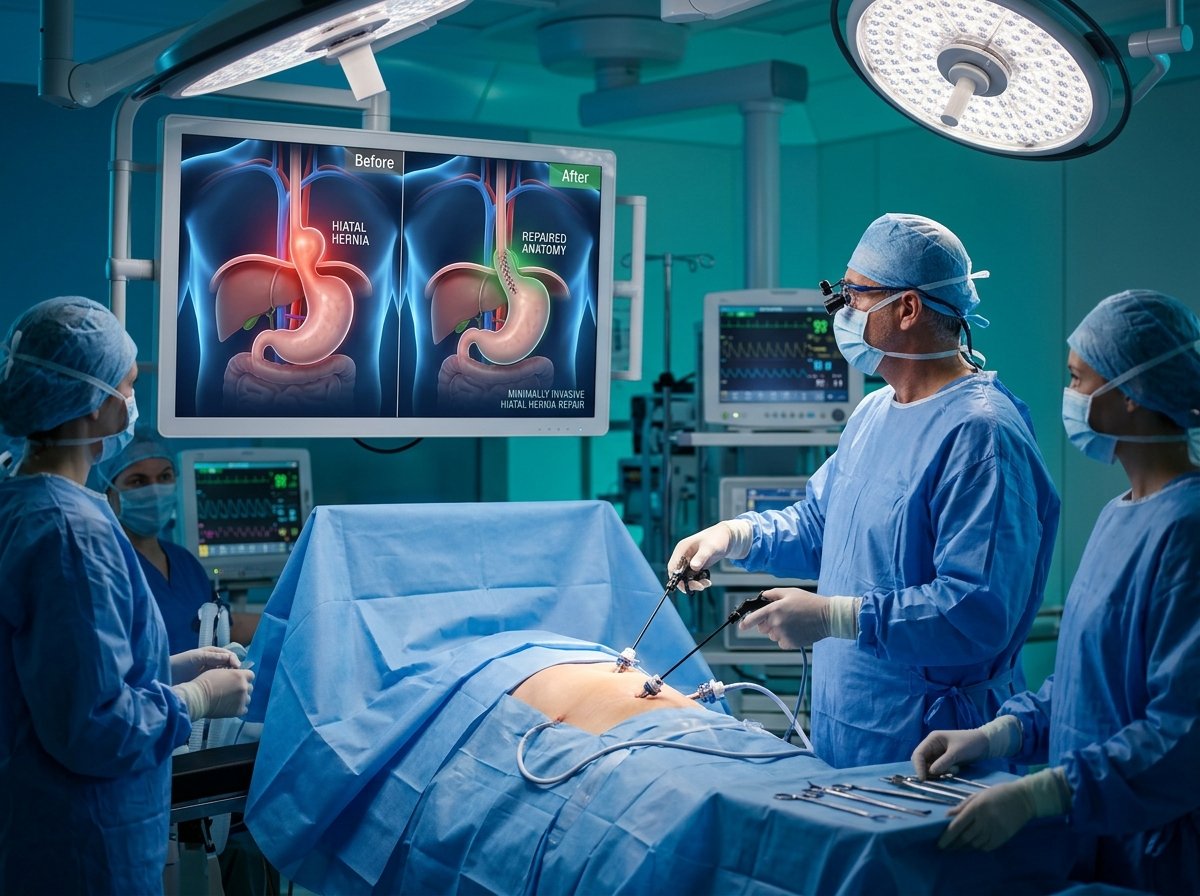
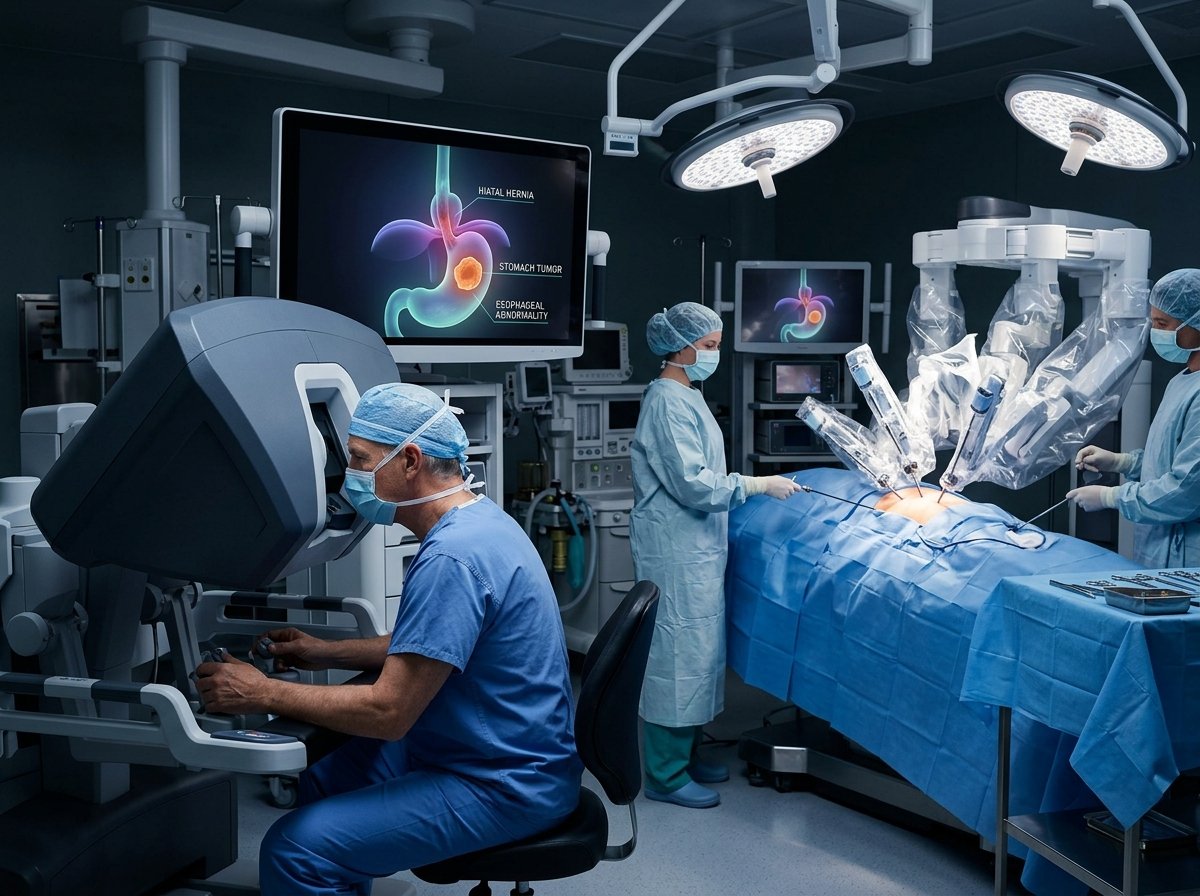
- Presence of a Hiatal Hernia (فتق الحجاب الحاجز): A structural migration where part of the stomach pushes upward into the chest cavity through the diaphragm opening, rendering medical management alone insufficient to prevent reflux.
- Documented Esophageal Complications: Recurrent erosive esophagitis, benign esophageal strictures, or Barrett’s esophagus requiring durable mechanical reflux protection.
Mandatory Pre-Operative Diagnostic Criteria
Candidate selection depends strictly on objective diagnostic testing rather than symptom self-reporting alone:
- Upper Gastrointestinal Endoscopy (منظار الجهاز الهضمي العلوي): Assesses mucosal erosion, grades esophagitis, identifies Barrett’s esophagus, and visualizes the presence and grade of a hiatal hernia.
- High-Resolution Esophageal Manometry (قياس حركية المريء): Evaluates the strength and coordination of esophageal peristalsis. Normal or near-normal peristalsis is required for a complete 360-degree wrap (Nissen), while impaired motility necessitates a partial 270-degree wrap (Toupet) to avoid severe postoperative dysphagia.
- 24-to-48-Hour pH / Impedance Monitoring: Objectively confirms pathologic acid exposure and demonstrates that clinical symptoms correlate chronologically with measured reflux episodes.
- Barium Swallow (أشعة بالصبغة): Delineates the exact size, orientation, and anatomy of any concurrent hiatal hernia.
When Is It Not Suitable?
Anti-reflux surgery is not recommended for patients with:
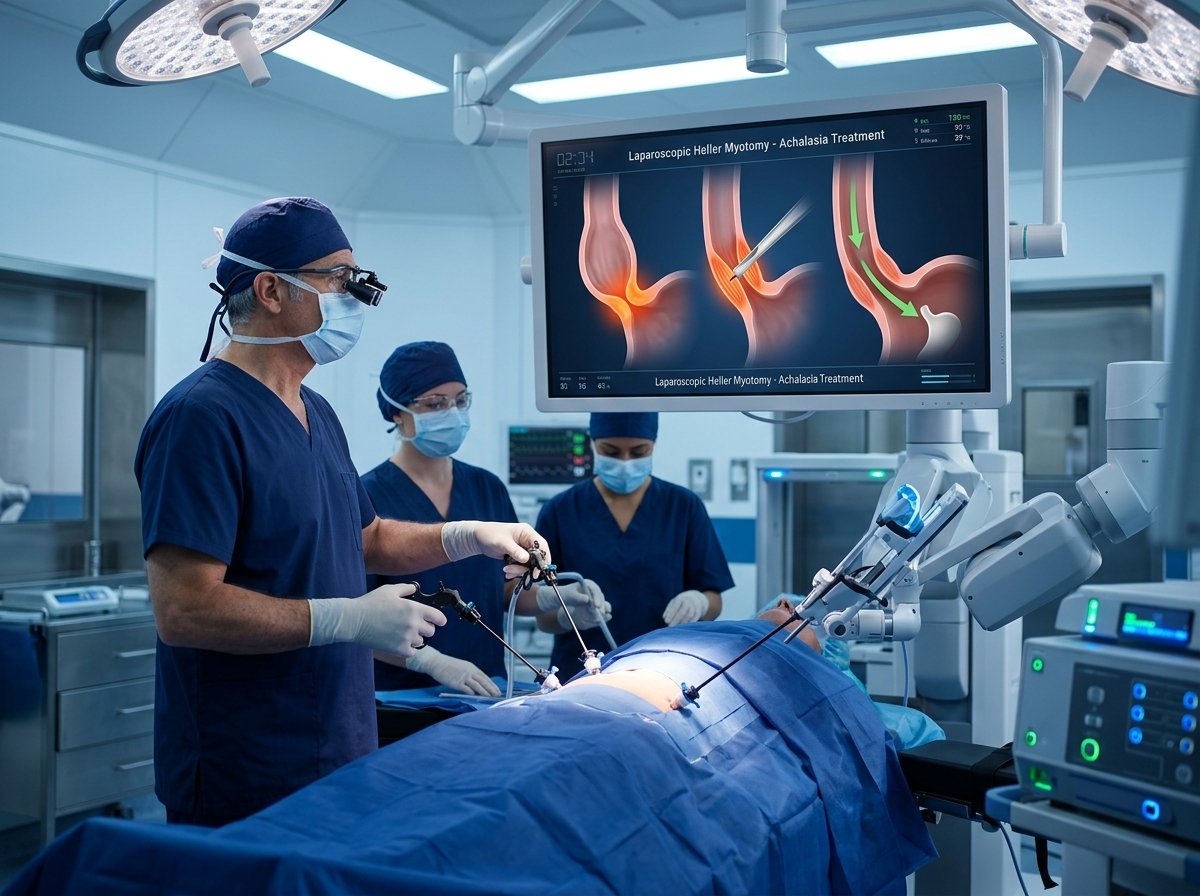
- Severe, uncorrected esophageal dysmotility or absent peristalsis (e.g., achalasia or severe scleroderma).
- Non-reflux-related chest pain or functional heartburn where 24-hour pH monitoring shows no abnormal acid exposure and zero symptom correlation.
- Severe uncontrolled medical comorbidities that render laparoscopic general anesthesia high-risk.
How Is It Performed?
Anti-reflux surgery is performed as a minimally invasive, advanced laparoscopic procedure under general anesthesia:
- Surgical Approach: Completed via 4 to 5 small abdominal incisions (5 to 10 mm), avoiding any large open cuts, reducing postoperative pain, and accelerating tissue healing.
- Hiatal Hernia Repair (Cruroraphy): The mobilized stomach is brought down from the chest cavity into its proper anatomical position within the abdomen. The widened diaphragmatic opening (hiatus) is carefully closed and reinforced using specialized non-absorbable sutures to recreate an appropriately sized collar.
- Constructing the Valve (Fundoplication): The surgeon mobilizes the fundus (the upper curved portion of the stomach) and wraps it around the lower esophagus:
- Nissen Fundoplication (360° Total Wrap): The fundus completely encircles the esophagus, creating a robust mechanical valve that tightens whenever intragastric pressure rises.
- Toupet Fundoplication (270° Partial Posterior Wrap): Indicated for patients with marginal esophageal motility to provide anti-reflux control while minimizing swallowing resistance.
- Operative Duration: The procedure typically takes between 60 and 90 minutes.
Before Surgery
Thorough pre-operative preparation ensures safety and smooth surgical recovery:
- Diagnostic Review: Confirmation of normal manometry, diagnostic endoscopy, and recent pH-metry results.
- Medication Management: Specific instructions will be given regarding when to pause blood thinners, anticoagulants, or antiplatelet drugs under cardiologist coordination.
- Pre-Op Dietary Adjustments: A light, low-residue diet 48 to 72 hours before surgery minimizes bowel distension and eases laparoscopic visualization.
- Fasting Protocol: Complete fasting (no solid foods or clear fluids) starting 6 to 8 hours prior to scheduled general anesthesia.
Recovery and Follow-Up
Our structured clinical pathway prioritizes comfort, wound healing, and a smooth dietary transition:
Hospital Stay
Most patients spend 24 hours in the hospital for post-anesthesia observation, hydration, and pain control. Mobilization begins within 2 to 4 hours post-operation.
Postoperative Diet & Swallowing Management
Temporary difficulty swallowing (صعوبة البلع) is common in the initial weeks as local surgical swelling subsides around the newly reconstructed valve. Adherence to our structured nutritional phases (نظام الأكل بعد العملية) is crucial:
- Phase 1 (Week 1 to 2): Smooth liquids and strained soups (no carbonated drinks, no drinking through straws).
- Phase 2 (Week 3 to 4): Pureed foods, soft mashed textures, yogurt, and well-blended purees.
- Phase 3 (Week 5 onward): Gradual reintroduction of soft solid foods, chewing each bite thoroughly and eating slowly in an upright posture. Bread and fibrous, dense meats are reintroduced last.
Return to Work and Activity
- Desk work and non-strenuous daily routines: 7 to 10 days.
- Avoid heavy lifting (anything exceeding 10 kg) and strenuous core straining for 6 to 8 weeks to protect diaphragmatic suture lines.
- Follow-Up Schedule: In-clinic reviews occur at 10 days (wound and suture evaluation), 6 weeks, 6 months, and 1 year.
What Results Can I Expect?
Can this surgery resolve GERD permanently—هل تعالج العملية ارتجاع المريء نهائيا؟
Laparoscopic fundoplication delivers substantial, clinically proven symptomatic relief, but medicine makes measured improvements rather than absolute guarantees:
- Symptom Resolution: Approximately 85% to 90% of properly selected patients experience complete resolution of heartburn, acid regurgitation, and respiratory irritation at 5 to 10 years post-surgery.
- Medication Discontinuation: The majority of patients stop daily acid-suppressing medication (PPIs) entirely. However, roughly 10% to 15% of patients may periodically utilize mild antacids or occasional low-dose PPIs over time for intermittent symptoms.
- Long-Term Durability: Long-term registries show that durable valve function persists for 10 to 15+ years in over 80% of patients, especially when weight is kept stable and chronic abdominal straining is minimized.
What Are the Risks?
Complications and adverse effects (أضرار عملية ارتجاع المريء) are uncommon in experienced hands, but, like any major laparoscopic intervention, carry recognized risks:
- Temporary Dysphagia: Transient difficulty swallowing occurs in 20–30% of patients due to tissue edema; it resolves spontaneously in the vast majority within 4 to 8 weeks. Persistent dysphagia requiring endoscopic dilation occurs in fewer than 2% of cases.
- Gas-Bloat Syndrome: Because the new one-way valve restricts backward venting, belching or vomiting may be difficult initially, causing temporary bloating and flatulence.
- Surgical Risks: Bleeding, infection, incidental injury to the spleen, esophagus, or vagus nerve branches, and risks associated with general anesthesia occur in less than 1% of standard cases.
- Anatomical Recurrence or Wrap Slippage: The fundoplication wrap or diaphragmatic repair can stretch or slip over many years—particularly in patients with sudden, severe weight gain, persistent heavy lifting, or chronic coughing.
Frequently Asked Questions
Is reflux surgery permanent?
Laparoscopic fundoplication creates a durable physical valve that typically provides relief for 10 to 15 years or longer. While aging, tissue elasticity, and lifestyle changes can occasionally cause the wrap to loosen over time, the vast majority of patients maintain long-term protection without requiring secondary surgery.
Will I still need acid reflux medications after the procedure?
Most patients (85% to 90%) eliminate daily PPIs and antacids completely. A small percentage may need intermittent medication years later if minor reflux sensations recur.
Can I eat normally after anti-reflux surgery?
Yes, but normal eating is reached through a progressive 4-to-6-week transitional diet. Once local swelling subsides, you will return to standard solid foods, though eating at a moderate pace and chewing thoroughly remains good long-term practice.
Will I be able to belch or vomit after the operation?
The operation tightens the esophageal valve, meaning you may find it difficult or impossible to belch or vomit during the initial months. As tissue matures, most patients regain a mild ability to vent gas, but excessive air-swallowing and carbonated beverages should be avoided.
How long is recovery, and when can I return to normal life?
The hospital stay is one day. You can return to desk work and light activity within a week to 10 days, avoiding strenuous physical effort for six weeks.
How much does anti-reflux surgery cost in Cairo?
Cost is determined based on whether a concurrent hiatal hernia requires complex repair, the operating room equipment utilized, and the tier of the private hospital selected. A complete, itemized surgical package quote is provided following your diagnostic consultation.
What is the difference between reflux surgery and hiatal hernia repair?
Hiatal hernia repair fixes the anatomical defect (closing the widened diaphragmatic gap so the stomach remains in the abdomen), whereas anti-reflux surgery (fundoplication) builds the functional valve (wrapping the stomach around the esophagus). In patients who have both GERD and a hiatal hernia, both steps are performed together during the same laparoscopic operation.
Why Choose Our Anti-Reflux Surgery Service?
- Experienced gastrointestinal surgeons
- Advanced laparoscopic techniques
- Comprehensive reflux evaluation
- Specialized anti-reflux procedures (Nissen and Toupet fundoplication)
- Personalized surgical planning
Related procedures
See all in: Esophagus & Stomach
Book Your Consultation
Schedule a focused, evidence-based evaluation with Dr. Ahmed Abdelsalam to review your diagnostic tests, discuss whether anti-reflux surgery matches your condition, and formulate a customized treatment plan.
- Mohandessin Clinic: Central surgical consultation suite.
- Sheikh Zayed Clinic: Consultations and follow-ups for West Cairo and 6th of October.
- New Cairo Clinic: Dedicated consultation clinic for East Cairo and the Fifth Settlement.
- Call / WhatsApp Booking: +201000606733 · WhatsApp
Medically reviewed by Dr. Ahmed Abdelsalam on October 17, 2026.