

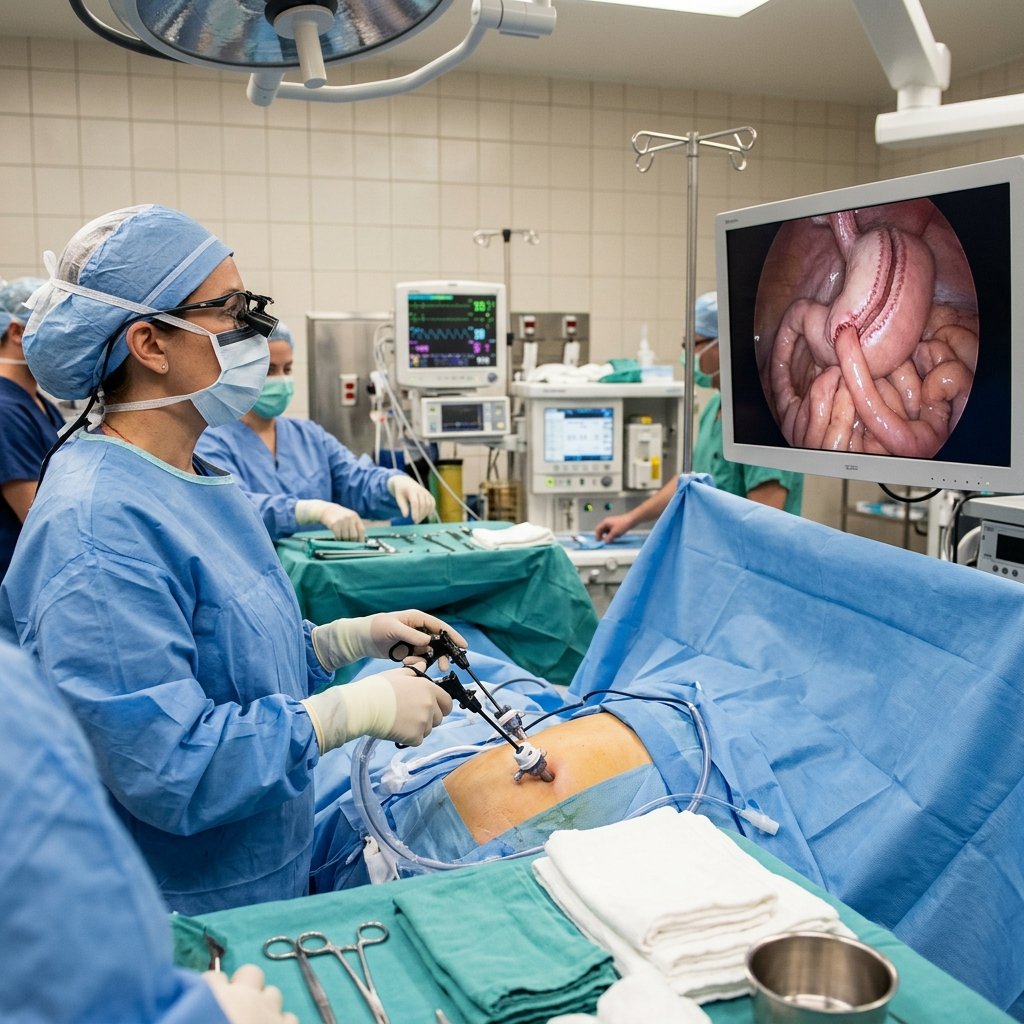
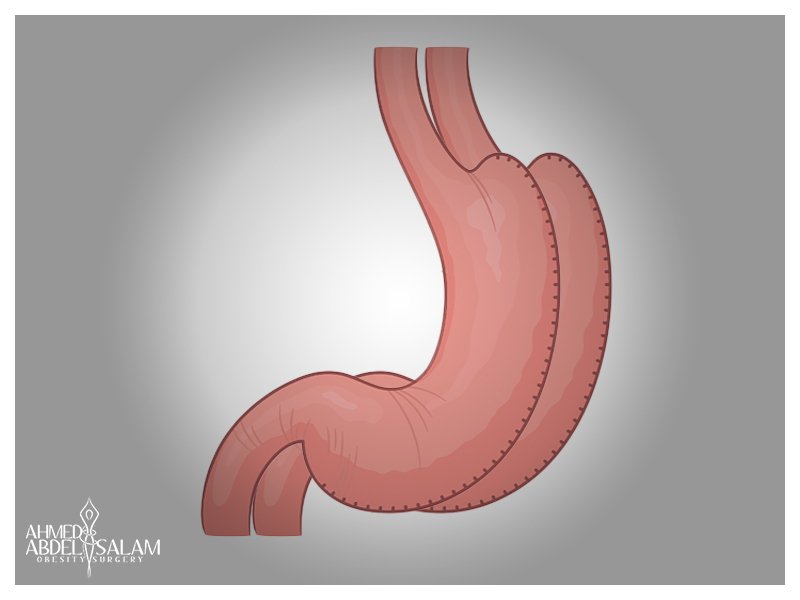
One-anastomosis gastric bypass (OAGB), often called the mini gastric bypass (تحويل المسار المصغّر), makes the stomach into a long, narrow tube and joins it to the small intestine in one place only. A classic gastric bypass needs two joins; this operation needs one, so it is shorter and simpler. You eat less, feel full sooner, and food skips the first part of the intestine, which lowers hunger and improves blood sugar.
Who is it for?
One-anastomosis gastric bypass may be right for you if you are an adult and one of the following applies:
- Your body mass index (BMI) is 35 or more, with or without health problems linked to your weight.
- Your BMI is between 30 and 35, and you have a health problem linked to your weight, such as type 2 diabetes, high blood pressure, sleep apnea (pauses in breathing during sleep), wear and tear of the joints (osteoarthritis), high cholesterol, or fatty liver.
- Your BMI is between 30 and 35, and other treatments have not kept the weight off.
It works especially well for people with a high BMI or type 2 diabetes, and it can be used as a second operation after a sleeve in selected patients. If you already have strong acid reflux, a classic Roux-en-Y bypass is usually a better choice.
How is it performed?
- You are fully asleep under general anesthesia. The operation is done by keyhole surgery through 5 small cuts and takes about 45 to 60 minutes.
- A long, narrow tube is made from the upper part of the stomach.
- This tube is joined to a loop of the small intestine about 150 to 200 cm from its start, depending on your BMI. This single join is where the name “one-anastomosis” comes from.
- Food passes from the stomach tube straight into the lower intestine, skipping the first part. Digestive juices still meet the food further along.
- The rest of the stomach is not removed. It stays inside and keeps making digestive juices.
- The join is tested for leaks before the operation ends.
Before surgery
- A full check-up: blood tests, an abdominal ultrasound, an upper endoscopy (a camera test of the stomach), and a visit with the anesthesia doctor.
- A session with our dietitian. If your BMI is very high (over 60), you will also follow a low-calorie diet for 1 to 2 weeks before surgery, to shrink the liver and make the operation safer.
- Stop smoking at least 4 to 6 weeks before surgery, and do not start again. Smoking can cause a stomal ulcer where the stomach tube meets the intestine.
- Tell us about all your medicines, especially for diabetes, blood pressure, and blood thinning.
- Our Fast Track program starts now and continues during and after your operation, to help you recover sooner.
Recovery and follow-up
- You will walk within a few hours and start sipping water on the first day. Most patients go home after one night.
- Your diet moves in steps over about six weeks: clear fluids, full fluids, puréed food, soft food, and then healthy normal meals in small portions. Eat enough protein at every meal.
- You will take vitamins every day for life: a multivitamin, vitamin B12, iron, calcium, and vitamin D. Blood tests at 3, 6, and 12 months, then once a year, keep your levels healthy. For the first 6 months, you will also take a medicine that protects you from gallstones.
- Avoid anti-inflammatory painkillers such as ibuprofen, diclofenac, and aspirin unless your doctor prescribes them. Paracetamol is usually safe.
- Follow-up visits are at 1 week, 1 month, 3, 6, and 12 months, then twice a year, in the clinic or by video consultation.
What results can I expect?
Most patients lose about 70–90% of their extra weight over the first 12 to 18 months. Type 2 diabetes often improves quickly, and many patients reduce or stop their medicines. As with every weight-loss operation, lasting results depend on your eating habits, activity, and follow-up.
Conditions That May Improve
- Severe obesity
- Type 2 diabetes
What are the risks?
Every operation carries some risk, and we will explain yours at your consultation. The main risks are:
- A leak. This is very rare today, thanks to advanced staplers and the surgeon’s experience. If it happens, it shows within the first 7 to 10 days after surgery.
- Bleeding, in about 1 in 100 patients. It usually settles with close monitoring and treatment, without another operation.
- Bile reflux: bile flowing back up into the stomach tube, causing burning or a bitter taste. It affects a small number of patients and is treated with medicine or, if it persists, by changing to a Roux-en-Y bypass.
- A stomal ulcer: a small sore where the stomach tube meets the intestine. It is more likely if you smoke or take anti-inflammatory painkillers.
- Shortages of iron, vitamin B12, vitamin D, calcium, or protein if supplements and follow-up are missed.
- Looser or more frequent bowel movements in some patients.
- Gallstones. Fast weight loss and drinking too little water can cause them, and without prevention, about 25–30% of patients develop them. A protective medicine we prescribe for the first 6 months lowers this to about 5%, close to the usual rate in the general population.
- Blood clots in the legs or lungs. Walking early and blood-thinning injections lower this risk.
- Some weight regain over the years. Regular follow-up with our nutrition team is the best way to prevent it.
Frequently asked questions
How is OAGB different from a classic bypass?
OAGB has one join; a classic Roux-en-Y bypass has two. OAGB is shorter to perform, while the classic bypass has less risk of bile reflux. Both give strong weight loss.
Can OAGB be reversed or changed?
Yes. If needed, it can be reversed or changed to a classic Roux-en-Y bypass.
Will I need vitamins for life?
Yes. A daily multivitamin plus vitamin B12, iron, calcium, and vitamin D protect your health. Your blood tests guide the doses.
Will I get bile reflux?
Most patients do not. If it happens, it is usually treated with medicine. A few patients need a second operation to change to a classic bypass.
Can I get pregnant after OAGB?
Yes, and fertility often improves. Wait 12 to 18 months, until your weight is stable. Birth-control pills may work less well after a bypass, so ask your gynecologist about other methods.
Why Choose Our One-Anastomosis Gastric Bypass Program?
- Experienced bariatric surgeons
- Advanced laparoscopic technique
- Careful assessment of reflux before surgery
- Personalized choice between OAGB, sleeve gastrectomy and gastric bypass
- Nutritional preparation and vitamin follow-up
- Long-term follow-up programme
Related procedures
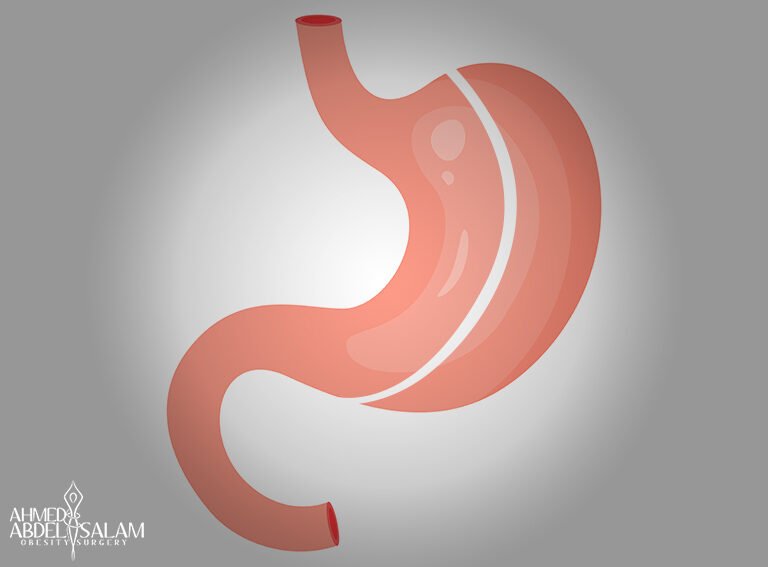
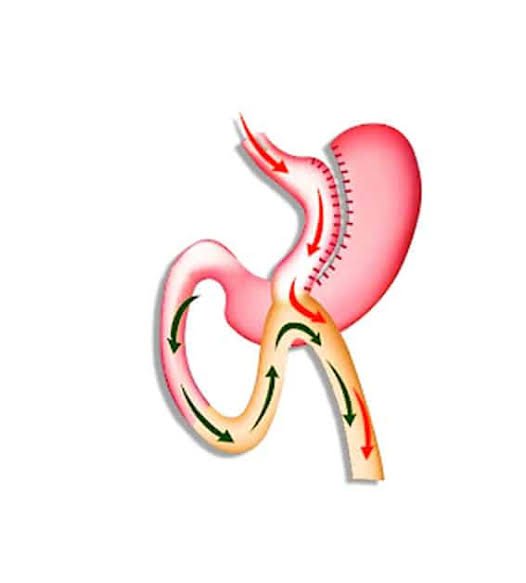
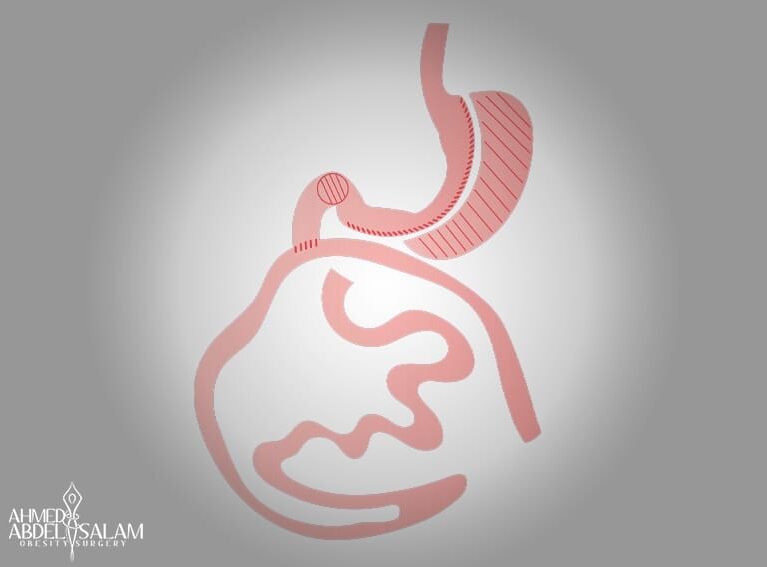
See all in: Bariatric Surgery in Cairo
Book your consultation
Call or WhatsApp +201000606733 · WhatsApp to book. Our clinics are open from 5 to 9 pm: Mohandessin on Sunday and Tuesday, New Cairo on Monday, and Sheikh Zayed on Wednesday. Video consultations are available if you live far away or abroad.
Medically reviewed by Dr. Ahmed Abdelsalam, Associate Professor of General and Laparoscopic Surgery, Kasr Al Ainy, Cairo University.