
Not everyone needs, or is ready for, surgery. Our medically supervised weight-loss program (برنامج إنقاص الوزن بدون جراحة) helps you lose weight safely with a plan built around you: your health, your daily life, and your goals. It brings together medical care, nutrition, activity, and, when needed, weight-loss medicines or a gastric balloon.
Who is it for?
The program may be right for you if one of the following applies:
- You are overweight or living with obesity, and you want medical help to lose weight.
- You have a weight-related health problem, such as type 2 diabetes, high blood pressure, or fatty liver.
- You are not ready for surgery, or surgery is not suitable for you.
- You are preparing for weight-loss surgery, or you want support to keep your weight stable after it.
What does the program include?
- A full medical check-up: Your health history, weight, waist size, and blood tests, such as blood sugar, cholesterol, thyroid, and liver tests.
- A personal nutrition plan from our dietitian, built around food you enjoy and real Egyptian meals, not a crash diet.
- An activity plan that suits your fitness level and protects your joints.
- Help with eating habits, such as eating under stress, late-night snacking, and poor sleep.
- Weight-loss medicines, when they can help.
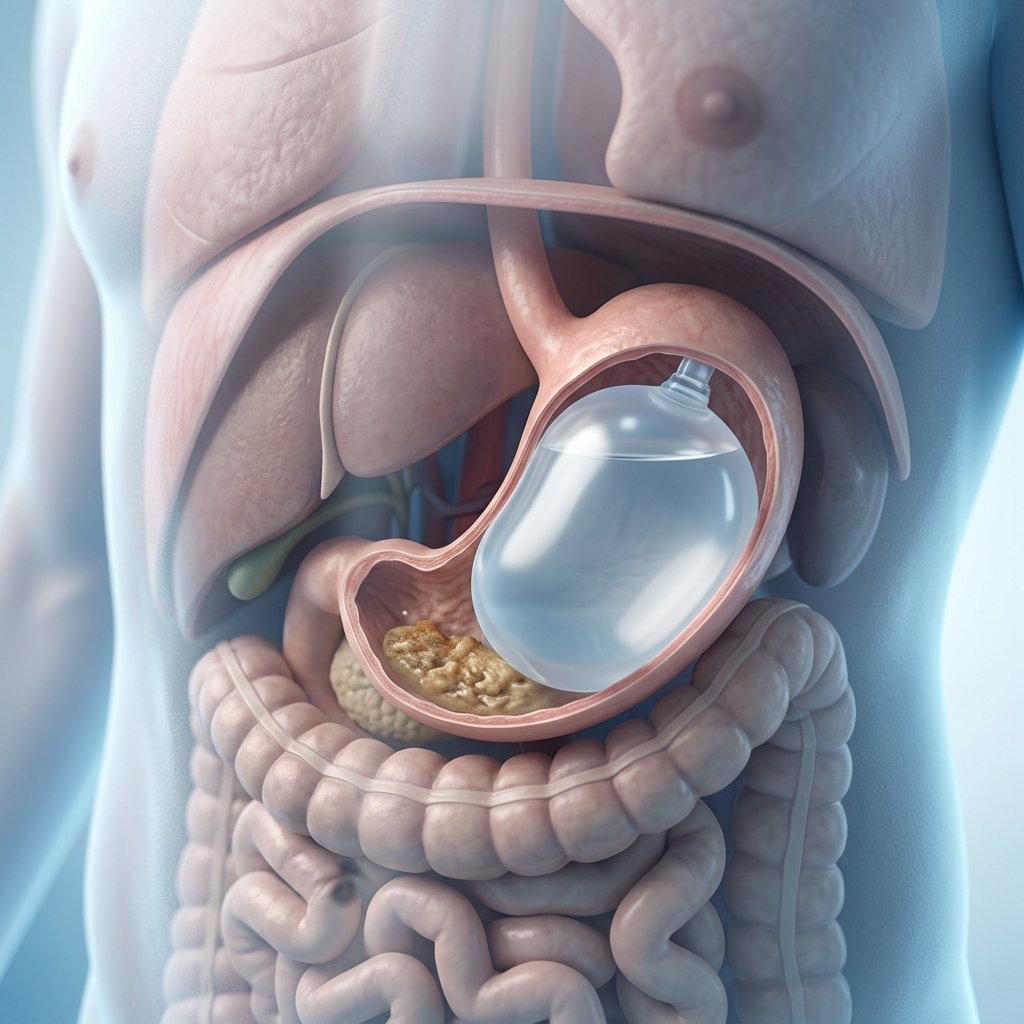
- A gastric balloon, endoscopic or swallowable, when you need an extra push.
- Regular follow-up, in the clinic or by video consultation.
Before you start
- Book your first consultation.
- Bring any recent blood tests and a list of your medicines.
- If you can, write down what you eat for three days before the visit. It helps us understand your habits.


Follow-up
- Your nutrition plan is reviewed every 2 to 4 weeks, in the clinic or by video. If you take weight-loss injections, you also visit the clinic weekly for your shot.
- Once you reach your goal, less frequent visits help you keep the weight off.
What results can I expect?
Losing just 5 to 10% of your body weight (for example, 5 to 10 kg if you weigh 100 kg) can lower blood pressure, blood sugar, and cholesterol and ease joint pain. With lifestyle changes alone, many people reach this in about six months. Adding medicines or a balloon usually gives more weight loss.
Who May Benefit from Non-Surgical Weight Loss?
- BMI of 30 or more
- BMI of 27 or more with a weight-related condition
- Patients who prefer to avoid surgery
- Patients who are not yet candidates for surgery
- Patients preparing for bariatric surgery
- Weight regain after previous bariatric surgery
Are there any risks?
A supervised program is very safe. The main risks come from crash diets, which can cause gallstones and muscle loss; our plan avoids them. If you use medicines or a balloon, their own side effects apply, as explained on their pages.
Frequently asked questions
How much weight can I lose without surgery?
With lifestyle changes alone, most people lose about 5 to 10% of their body weight. Medicines or a balloon can add more.
Will I have to follow a strict diet?
No. Your plan is balanced and realistic, built around foods you like, so you can keep it up.
How often will I see the team?
Your nutrition plan is reviewed every 2 to 4 weeks, in the clinic or by video. If you take weight-loss injections, you also visit the clinic weekly for your shot.
What if it does not work for me?
We review your plan and can add medicines, a balloon, or, if suitable, surgery. You will never be left without a next step.
Why Choose Our Non-Surgical Weight Loss Program?
- Assessment by a specialist obesity team
- All non-surgical options available in one clinic
- Treatment matched to each patient
- Nutrition and activity support throughout
- Regular monitoring of progress and side effects
- A clear plan for maintaining results
Book your consultation
Call or WhatsApp +201000606733 · WhatsApp to book. Our clinics are open from 5 to 9 pm: Mohandessin on Sunday and Tuesday, New Cairo on Monday, and Sheikh Zayed on Wednesday. Video consultations are available if you live far away or abroad.
Medically reviewed by Dr. Ahmed Abdelsalam, Associate Professor of General and Laparoscopic Surgery, Kasr Al Ainy, Cairo University.